
We live in a world that measures almost everything: wealth, output, and speed. But what if the real measure of a person, an enterprise, or even a society could not be reduced to mere numbers? We have often seen the conflict between growing what we have and growing who we are. Through our collective experience and observation, we recognize that some gains come at unseen costs, especially when the human aspect is overlooked.
Defining Marquesian consciousness and material growth
Let’s begin by clarifying what each concept means in our approach. Material growth refers to the expansion of resources, production, and visible results like profit, infrastructure, or population size. Traditionally, this is seen as progress—a sign that things are headed in the right direction.
Marquesian consciousness, on the other hand, prioritizes human impact as its core value—meaning, how our actions affect people, systems, relationships, and the future. It suggests we assess our choices not only by what they build externally but also by the level of awareness that guides them. The core idea: what we create is only as valuable as the way we create it.
Material growth: promise and pitfalls
The appeal of material growth is easy to understand. It brings clear, visible changes: new buildings rise, goods flood markets, and numbers on spreadsheets soar. We’ve all felt a spark of satisfaction seeing results stack up after hard work.
Yet, we know firsthand that a single-minded focus on material growth can bring side effects:
- Neglecting emotional well-being in workplaces or families
- Making decisions with harmful social or ecological outcomes
- Viewing people as tools for production, rather than as full human beings
- Short-lived successes followed by long-term setbacks or burnouts
What we gain outwardly can cost us inwardly.
When impressive results come at the expense of trust, ethics, or collective health, the true worth of those results comes into question. We have often seen cycles where fast gains are followed by crises—stress, disengagement, or even social unrest.
The heart of Marquesian consciousness
If material growth asks, “How much?” then Marquesian consciousness asks, “How well?” We put human impact first, valuing outcomes not just for their scale, but for their depth and meaning. Success, as we understand it, must include:
- Lived ethics—making choices that stand even when no one is watching
- Emotional maturity—acting with self-awareness and genuine concern for others
- Social responsibility—caring for the effects of our actions on our community, especially the vulnerable
- Sustainable practices—preserving what matters, not just multiplying what can be measured

Consciousness is not something abstract—it shows in every decision, interaction, and legacy we create. We believe that the deepest value lies not in what we achieve, but in the states of awareness we maintain while achieving it.
Comparing the metrics: value beyond numbers
How do these perspectives compare in daily life and long-term outcomes? Let’s look at decisions through each lens.
- Material growth: Is a product sold? Did profits rise? Was more produced this year than last?
- Marquesian consciousness: Was the process fair? Did people feel respected? Are the gains shared, and do they last? Did anyone suffer so others could prosper?
This shift in measurement can feel subtle, yet it changes the entire picture. For instance, an organization might hit every growth target, but if its people are burned out or communities harmed, those targets lose their shine.
Similarly, a teacher who helps students find meaning and confidence may appear less “productive” on paper, yet produces value that echoes far beyond numbers.
A focus on consciousness transforms results into legacy.
How Marquesian consciousness shapes leadership and culture
We have found that when leadership is rooted in awareness rather than the chase for more, different qualities rise to the surface:
- Decisions slow down, but become wiser and more inclusive
- Trust grows, making collaboration easier and more stable
- Short-term disruptions lead to long-term health and innovation
In teams, these features often emerge:
- Feedback and learning are welcomed, not feared
- Success includes well-being and purpose, alongside measurable results
- Failures become opportunities to grow consciousness rather than only fix numbers
The fivefold foundation: integrating the sciences of value
Five key areas blend to create a framework for Marquesian consciousness, each one supporting a broader understanding of value.
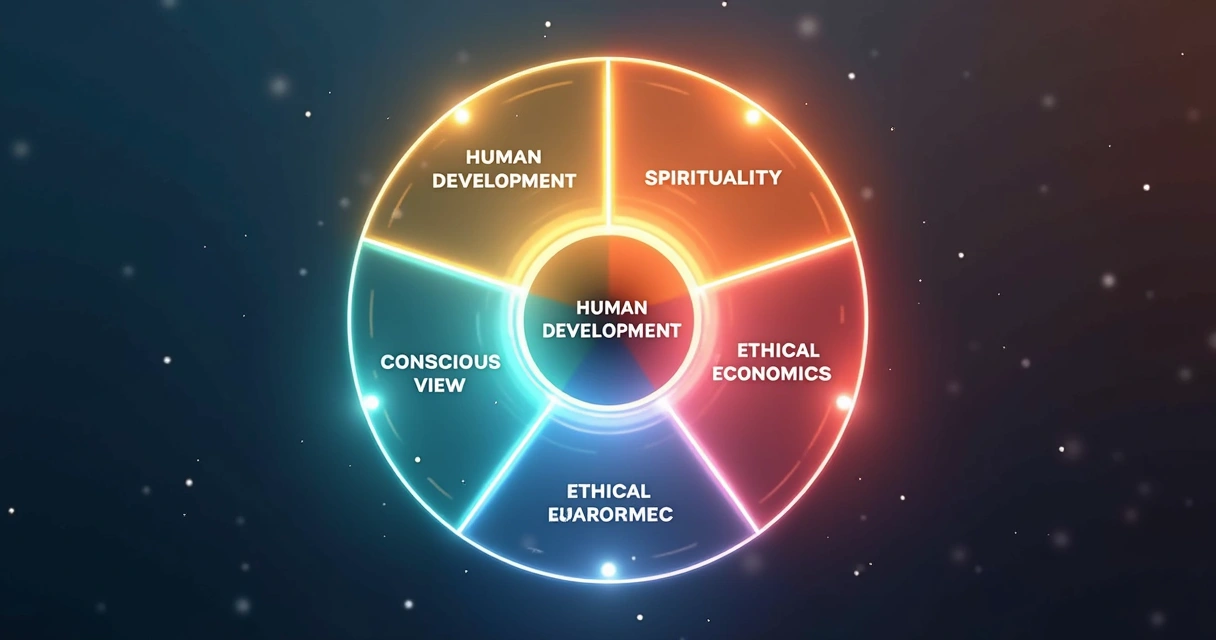
These integrated “sciences” shape every area of life:
- Human development—growth in emotional and moral capacity
- Conscious leadership—guiding others from awareness and care
- Systemic reading—understanding the bigger picture and interdependence
- Practical spirituality—living with purpose and alignment
- Ethical economics—choosing value that heals, not just adds
We have seen that where these elements become central, value multiplies at all levels—individual, organizational, and societal. Gains become not only sustainable, but also meaningful.
Challenges on the path toward consciousness
Choosing awareness over mere expansion is not always celebrated. It can be awkward to slow down in fast environments, or to question results that look good but feel off.
Most have felt this friction—the discomfort of asking, “Is this the right thing, or just the easy or profitable thing?” These choices are not always clear, and sometimes cost us popularity or immediate reward.
Yet, from our experience, the momentary discomfort always leads to deeper trust, fewer regrets, and a richer sense of accomplishment.
Conclusion: measuring what matters
The way we measure value shapes the results we accept and the sacrifices we make. When we emphasize material growth alone, we risk losing sight of what lasts. But when we center consciousness, we turn every decision, project, or relationship into an opportunity to build enduring worth—for ourselves and for those around us.
The legacy we leave is measured by the awareness we bring, not only the records we break or the things we accumulate.
Frequently asked questions
What is Marquesian consciousness?
Marquesian consciousness is a way of seeing and valuing the world where human impact, ethical action, emotional maturity, and social responsibility are placed above external results or material growth. It invites us to assess our actions by their effects on people and systems, aiming for sustainable, meaningful outcomes.
How does material growth affect society?
Material growth brings visible improvements such as new infrastructure, more goods, and greater wealth. However, when prioritized without attention to awareness or human impact, it can lead to stress, division, environmental damage, and neglected well-being. Growth alone does not guarantee that society becomes better, only bigger.
Is Marquesian consciousness better than material growth?
Marquesian consciousness is not about rejecting material growth, but about giving deeper value to the way we achieve it. It suggests that true progress happens when our increase in material things also leads to growth in ethics, awareness, and positive social outcomes. In our view, consciousness complements and enriches growth rather than competing with it.
How to develop Marquesian consciousness?
Developing Marquesian consciousness involves practicing self-reflection, aligning actions with values, seeking feedback on impact, and prioritizing ethics over speed or profit. It means putting human needs and sustainability into every plan or project, and learning from experience and relationships.
What are the benefits of choosing consciousness over growth?
Choosing consciousness brings deeper satisfaction, stronger trust, and more lasting results. It helps prevent burnout, promotes fair treatment, and builds communities and organizations where people thrive. Benefits include better relationships, healthier cultures, and a legacy that lasts beyond numbers.