

We live in a time when decisions ripple outward, affecting many layers of society. Every policy, project, or strategy shapes not only numbers, but real lives. As we have seen through practice and reflection, thinking only about profit or progress is not enough. There is a deeper need: to see the real consequences of our actions on the people and systems around us.
Human impact assessments are a practical tool that puts people at the heart of decision-making. They help us ask: How does this choice shape lives? Is it making things better, or causing harm down the line?
What is a human impact assessment?
A human impact assessment (also called HIA) is a process for predicting and evaluating how a proposed policy, project, or action might affect the well-being, rights, and daily lives of people and communities. These assessments go beyond surface results and numbers to look for effects that may not be visible at first glance.
Imagine you are planning to introduce a new process at work, or your city is considering a new highway. Before these happen, a human impact assessment looks closely at possible outcomes, positive and negative, especially for those who may not have a voice in the process.
See the people, not just the project.
Doing an HIA does not just tick a box. It asks us to slow down, listen, and be aware. It encourages decision-makers to recognize that impact extends far beyond immediately visible changes.
How does a human impact assessment work?
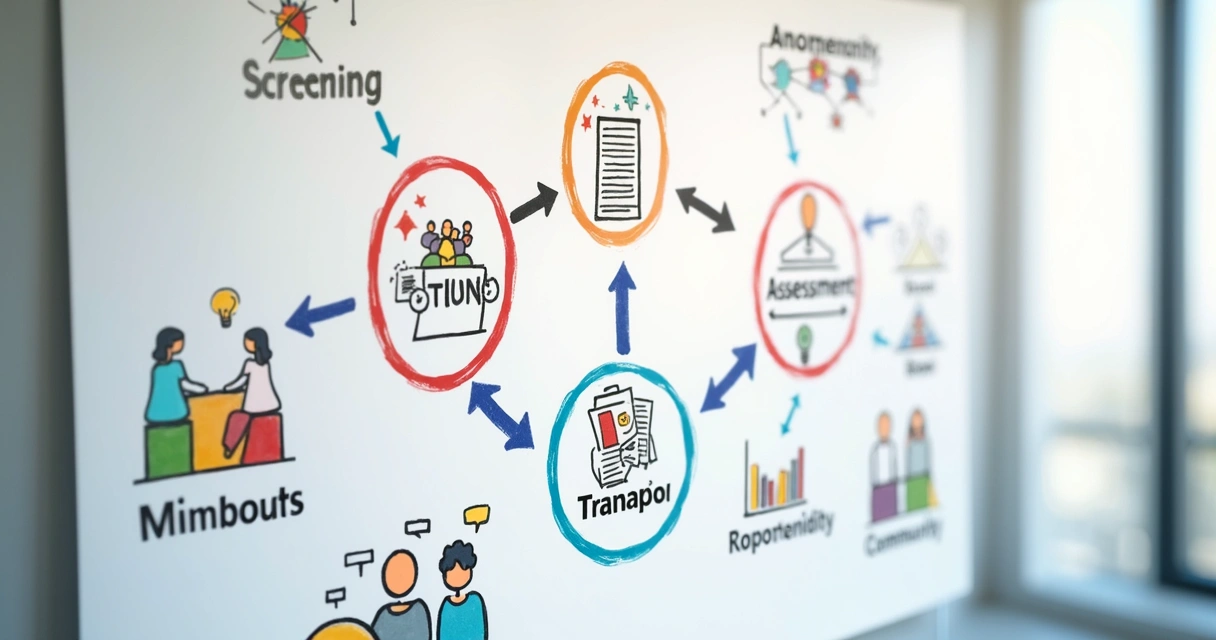
We usually see the process broken into distinct steps, but always with flexibility and context in mind. The typical steps include:
- Screening: Decide if the action or policy may have impacts on people. If so, an assessment is worth considering.
- Scoping: Identify the main groups, communities, and aspects of well-being likely to be affected. This includes health, but also jobs, social bonds, and lived experience.
- Assessment: Gather data from multiple sources, such as scientific research, expert opinions, and, perhaps most significant, the voices of those affected. Predict and describe both risks and benefits.
- Recommendations: Offer clear suggestions to avoid harm, enhance positives, and monitor ongoing results. Ideas are rooted in real feedback and feasible action.
- Reporting and review: Share findings openly and support further discussion. Transparency is key.
Each step should focus on building understanding and trust, not just fulfilling a formal requirement.
When should we consider a human impact assessment?
Timing is not just a formality. Acting before the wheel is already rolling creates opportunities to adjust and improve. So, when should we consider doing an HIA?
- When new policies affect the public or specific groups, especially those with less power to speak up.
- When a project poses risks of social disruption, change to livelihoods, or shifts in access to resources.
- When ethical or psychological consequences could last over time, such as with automation, data use, urban development, or technology shifts.
- When stakeholders are diverse, or when trust and social acceptance are needed for long-term success.
- Whenever we sense uncertainty about the true ripple effects of an idea or action.
We have noticed that it is never too early, but it can easily become too late.
Why do human impact assessments matter?
Why do we take the time to do an HIA? In our experience, the reasons are both practical and human-centered:
- Transparency: Assessments foster honesty about potential harms and benefits. They reduce surprises later.
- Prevention: Identifying possible issues early helps to prevent mistakes that are costly or hard to reverse.
- Trust: When people see their worries heard and valued, engagement grows. This is the root of lasting legitimacy.
- Fairness: Attention is paid to those who are often overlooked or marginalized. This guides us to results that can be widely shared and defended.
Strong impact comes from conscious choices.
We believe that assessments like these reveal the invisible, increase empathy, and help us build results that last and matter.

What kinds of issues do HIAs address?
The range is as wide as imagination allows. Some of the most common issues considered are:
- Mental and physical health impacts
- Access to jobs, education, and basic needs
- Community connections or stress
- Privacy, autonomy, and dignity
- Equity and social inclusion
- Long-term changes, such as displacement or cultural disruption
Many of these are hard to measure, but very real for those living them.
We once supported an organization that was planning a shift in work schedules. Instead of pushing ahead, leaders held an HIA. Employees voiced concerns about family time, commuting, and fatigue. By listening, the company adjusted the plan, supporting both business needs and people. The result: less turnover, higher morale, and mutual respect.
The practical benefits of human impact assessments
Some might ask: Is this effort really necessary? In our view, the long-term advantages speak for themselves:
- Uncovering unexpected risks, leading to fewer setbacks
- Building a foundation for good relationships with communities and staff
- Helping leaders see beyond their immediate team or report
- Promoting solutions that endure because they truly work for people
Even the best data or systems cannot replace real engagement. An HIA makes sure that lived experience is part of the process, not an afterthought.
Can human impact assessments shape the future?
As the world grows more complex, we need tools that grow in depth and care. We often hear the phrase "do no harm," but human impact assessments add more than avoidance; they offer an active way to do good.
People are the lasting measure of every choice.When we use HIAs, we remind ourselves why we plan, build, and change: for the future we all share, not for numbers on a page.
Conclusion
Human impact assessments are a meaningful way to bring awareness and human values into planning and action. They show us where potential risks and opportunities live, making it possible to choose better, wiser paths. Projects shaped with these assessments do not just succeed—they leave a positive footprint.
By listening early and often, by holding space for real experience, we move from short-term gain to real, lasting value. In every field and at every scale, human impact assessments are a step toward a more mature and conscious way of creating change.
Frequently asked questions
What is a human impact assessment?
A human impact assessment is a structured process for predicting and evaluating how a proposed action, policy, or project might affect people, their well-being, and their daily lives. It includes looking at both potential risks and benefits, focusing on health, fairness, inclusion, and dignity.
When should I use a human impact assessment?
Conduct an HIA when a planned action could significantly affect people's lives, especially when the effects may be serious, wide, or not immediately obvious. It is especially useful at the planning stage of new projects, changes in policy, major organizational decisions, or anything with possible social, ethical, or well-being consequences.
Why are human impact assessments important?
They help decision-makers see, anticipate, and reduce negative impacts while supporting positive change for individuals and communities. HIAs promote transparency, trust, and fairness, and help ensure that vulnerable groups are not ignored.
How do I conduct a human impact assessment?
Generally, follow these steps: screening to see if an HIA is needed, scoping to define what will be studied and who is affected, assessment to gather and analyze information, making recommendations, and sharing results publicly. Listening to those affected and involving them throughout is key.
Is it worth doing a human impact assessment?
Yes, the value is clear when we consider long-term results, social responsibility, and building trust with those affected by our choices. The process helps reveal risks and improve planning, often saving resources and preventing harm, while strengthening relationships and shared goals.